
The Chera court was a haven for poets and scholars, birthing some of the finest works of Tamil Sangam literature, including the epic Silapathikaram. Explore the artistic, literary, and religious heritage that flourished under the patronage of the Chera kings.
Chera Dynasty
The Chera Dynasty (or Keralaputras) were one of the three major ruling powers of ancient Tamilakam. Located on the fertile Malabar Coast of South India (modern-day Kerala), the Cheras were powerful players in ancient maritime trade, especially the highly lucrative spice trade with the Roman Empire. Their history is divided into two distinct periods: the Early Cheras of the Sangam Age (c. 300 BCE – 300 CE) and the Later Cheras, known as the Kulasekharas of Mahodayapuram (c. 8th – 12th century CE). This duality is key to understanding their profound and lasting cultural legacy in both Tamil and Malayalam traditions.
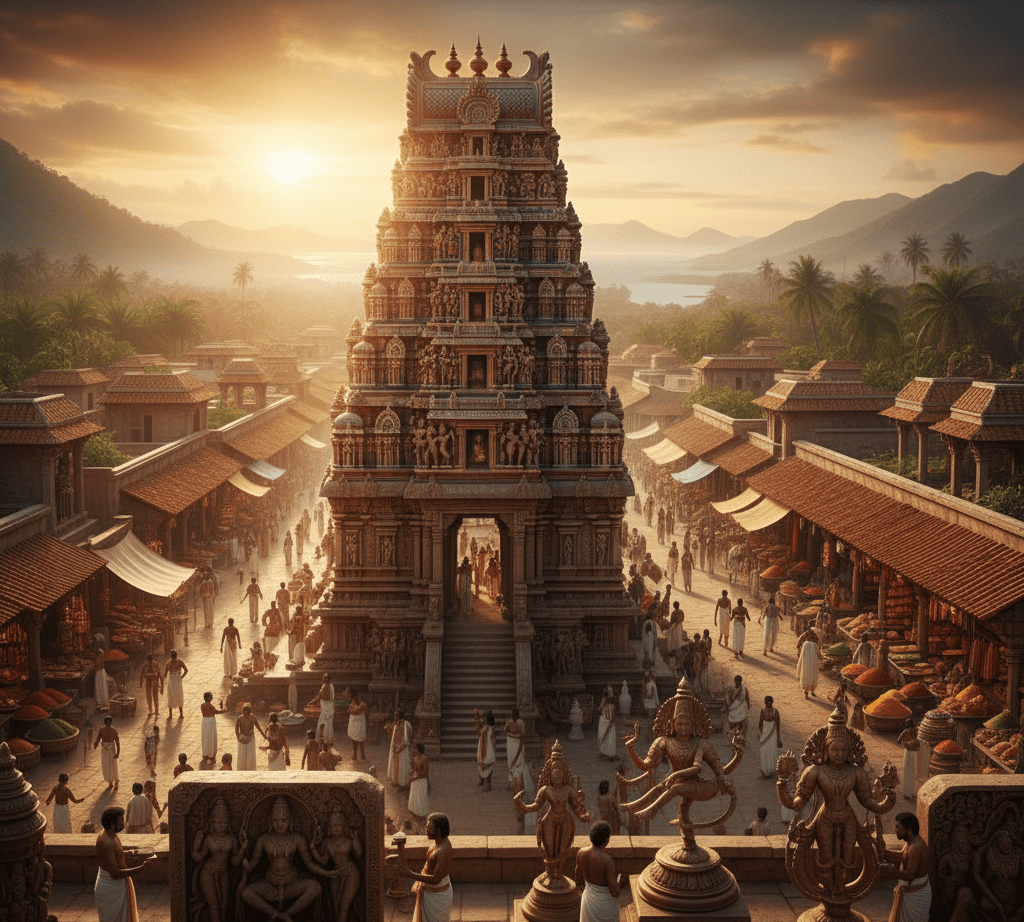
Origins, Expansion, and Key Epochs
The Chera lineage is documented in the earliest Tamil literature, placing them firmly in the pre-Christian era.
Key Dynastic Periods and Rulers
| Epoch (SEO Keyword) | Capital Cities | Notable Ruler(s) | Key Achievement(s) |
| Early Cheras (Sangam) | Muziris, Vanchi (Karur or Thiruvanchikulam) | Senguttuvan (The Red Chera) | Established the cult of Kannagi (Pattini Devi); controlled strategic ports for Roman trade. |
| Later Cheras (Kulasekharas) | Mahodayapuram (Kodungallur) | Kulasekhara Alvar (Founder), Sthanu Ravi Varma | Cultural renaissance; development of the Malayalam language; strong focus on Bhakti movement. |
The Later Cheras: The Kulasekharas (c. 8th – 12th Century CE)
This phase represents a crucial cultural shift. The Kulasekharas established a centralized state in present-day Kerala, significantly influencing the development of the distinct Kerala architectural style and the rise of Malayalam as a separate language. Their rule ended due to relentless pressure from the expanding Chola and Pandya Empires.
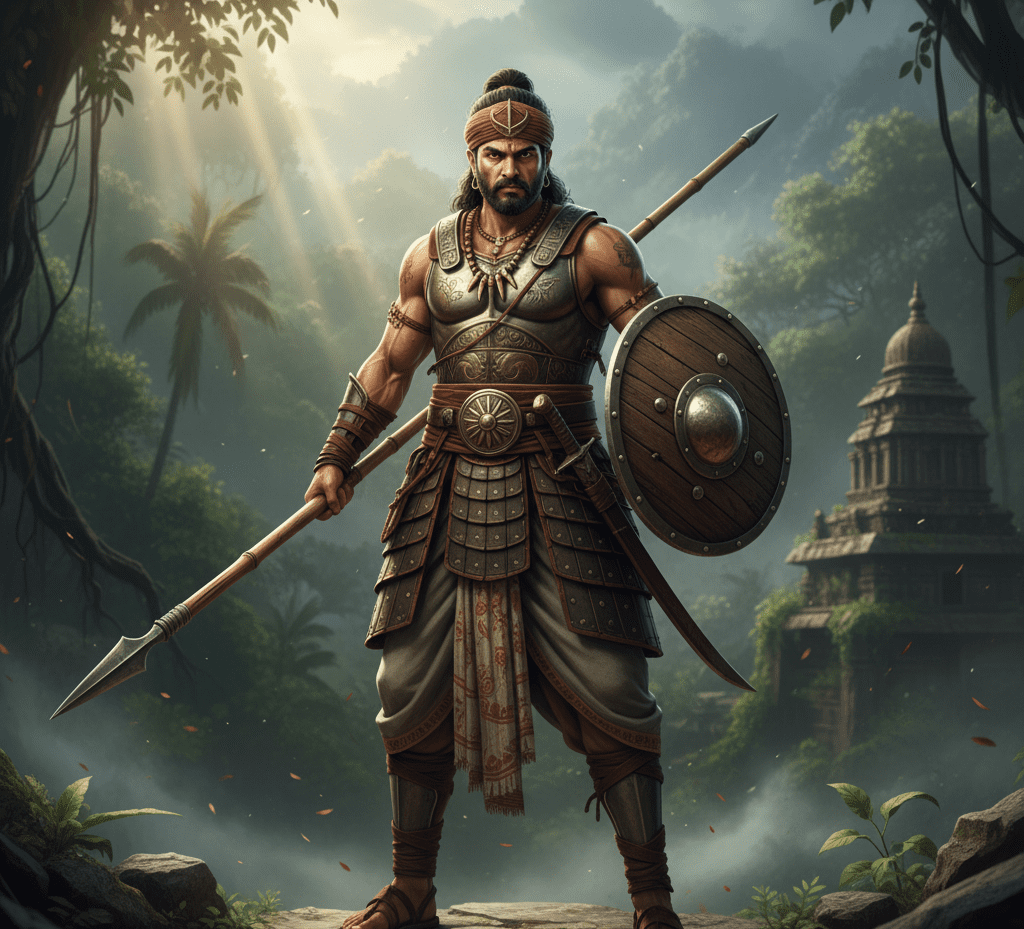
Military and Maritime Power
The Cheras’ strength was strategic, derived from controlling the sources of spices and the Western Coastline.
Chera Military and Strategic Assets
| Focus | Description | Strategic Importance |
| Naval Strength | Necessary for defending wealthy ports like Muziris and securing access to the Arabian Sea. | Protected the vital Spice Route from piracy and rival attacks. |
| Control of Passes | Dominated the passes through the Western Ghats. | Controlled the flow of inland pepper and cardamom to the coastal ports. |
| Royal Emblem | Bow and Arrow. | Symbolized their power and identity in coinage and inscriptions. |
The discovery of the Roman trading post at Pattanam (identified by many as Muziris) underscores the critical role the Cheras played as the gateway to India for Mediterranean merchants.
Administration and Governance
Chera governance was highly dependent on the era. While early rule was more decentralized, the Kulasekharas implemented a structured system.
Kulasekhara Administration (Later Cheras)
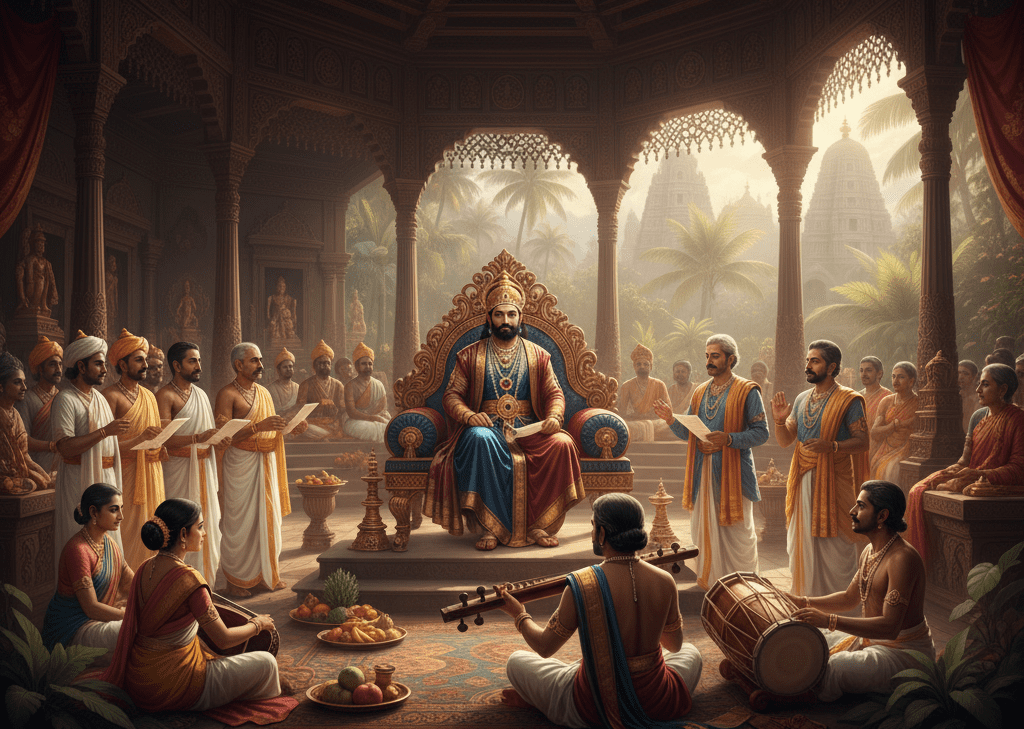
The later Cheras had a semi-feudal structure where the king was the paramount ruler, but local administration was managed by powerful regional chiefs.
- King (Maharaja): The highest authority, presiding over a highly centralized court.
- Vazhkai: Royal officials and regional governors who managed districts.
- Naduvazhis: Powerful local chiefs who paid tribute and maintained local order and military contingents.
- Village Administration: Handled by assemblies known as Ur and managed by local elders, focusing on temples and land disputes.
The Kulasekharas successfully integrated temple institutions and their administration into the state structure, granting temples significant autonomy and wealth, which is a key feature of medieval Kerala polity.
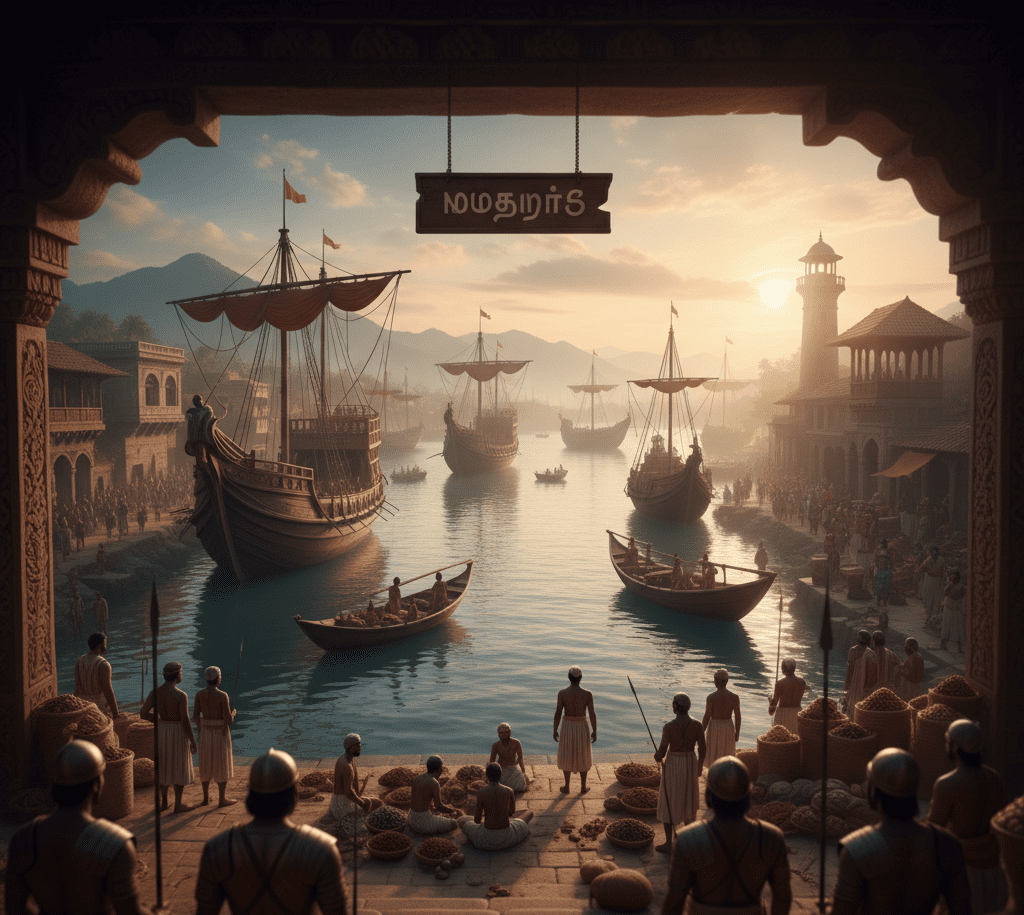
Economy: The Hub of the Roman Trade
The Chera economy was primarily agrarian but achieved extraordinary wealth through international trade.
The Indo-Roman Trade Economy
| Product Category | Exports from Chera Ports | Imports to Chera Ports | Economic Impact (SEO Keyword) |
| Agricultural | Black Pepper (the most valuable commodity), cardamom, ginger, cinnamon, timber (teak). | Wine (Amphorae), Olive Oil. | Massive inflow of Roman denarii (coins), leading to a highly monetized economy. |
| Luxury Goods | Ivory, pearls, precious stones, fine Indian muslin textiles. | Fine pottery (e.g., Arretine ware), glass objects, high-purity gold and silver. | Established the Malabar Coast as the most important trading hub in ancient South Asia. |
The volume of trade was so significant that Pliny the Elder lamented the drain of Roman gold to India, largely due to the exchange for pepper. This established the Cheras as critical players in the global economy of the classical world.
Cultural and Architectural Legacy
The Chera legacy is bifurcated: contributing to classical Tamil literature and forming the cultural bedrock of modern Kerala.
Literary and Linguistic Contributions
| Focus | Significance | Key Works/Concepts |
| Classical Tamil | Major patrons of the Sangam literature. | Pathitrupathu (The Ten Tens) praises Chera kings. The epic Silappatikaram details Chera society and cities. |
| Malayalam Language | The rule of the Later Cheras marks the definite transition toward the use of an early form of Malayalam. | The Vattezhuthu script developed significantly under the Kulasekharas. |
| Religious Movement | The Kulasekhara period was central to the Bhakti movement. | Kulasekhara Alvar (the king himself) was a revered Vaishnavite saint. |
Distinctive Architectural Style
Unlike the monumental stone temples of the Cholas, the Cheras, especially the Kulasekharas, developed a unique architectural idiom highly adapted to the monsoon climate:
- Materials: Extensive use of wood (teak and rosewood) and laterite stone.
- Roofing: Multi-tiered, gabled, and steeply sloped roofs covered in copper sheeting.
- Plan: Often circular or rectangular Sree-kovils (sanctums), distinct from the pyramidal Vimanas of their eastern rivals.
- Art: Rich tradition of mural paintings and intricate wood carvings within the temples.
Decline and Subsequent Influence
The Later Cheras’ power waned due to external pressure and internal fragmentation.
- Chola Pressure: The incessant Chola-Chera Wars throughout the 10th and 11th centuries severely drained Chera resources and military strength.
- Disintegration: By the early 12th century, the Kulasekhara Empire fragmented into numerous powerful autonomous principalities, such as the Zamorins of Calicut and the kingdom of Kochi.
- Enduring Identity: This fragmentation, however, paradoxically solidified the regional identity, laying the political and cultural groundwork for the distinct modern state of Kerala.